
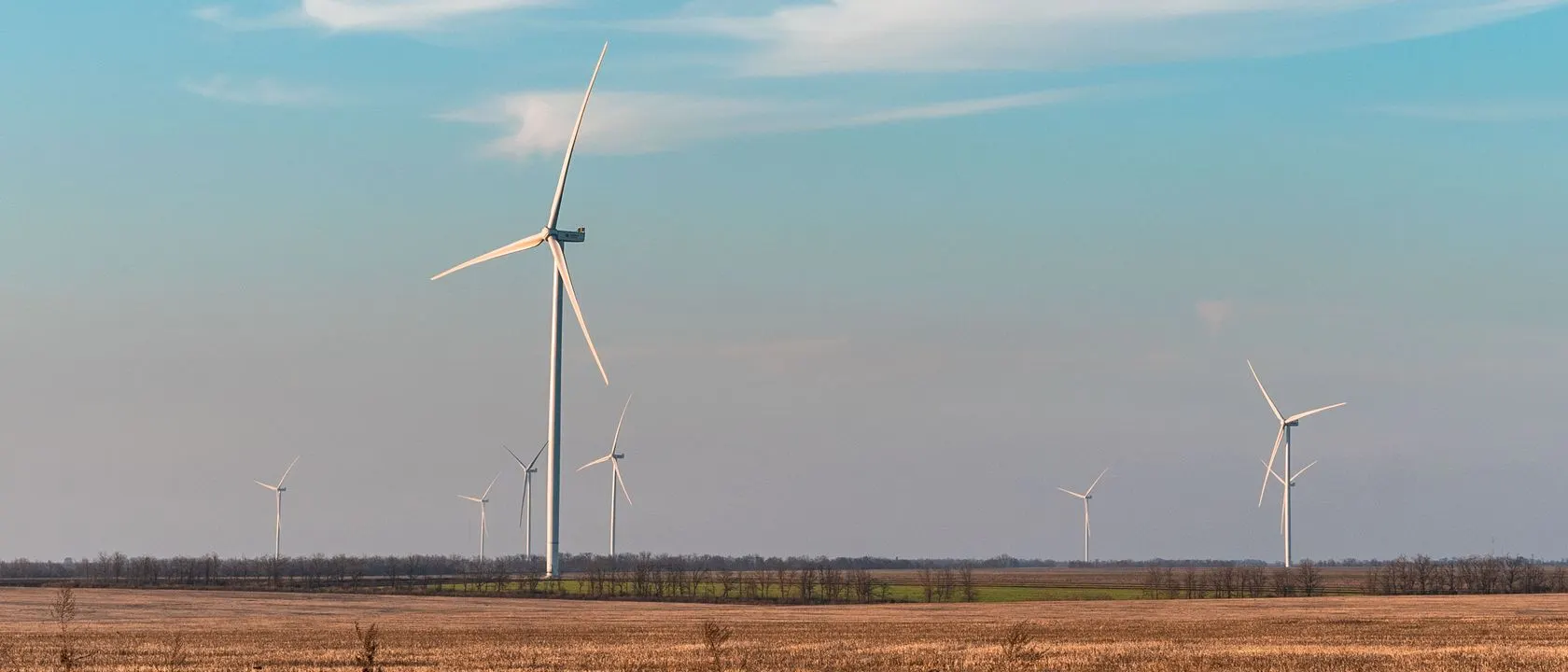
The transition to a low-carbon economy is the defining challenge of our generation. However, achieving climate neutrality is not purely an environmental, technological, or economic issue; it is profoundly social.
At NGen Impact, we believe that the green transition cannot succeed without widespread public support. When climate policies disproportionately affect vulnerable households and small businesses through rising energy and transport costs, they risk creating social fracturing and political backlash. Our tailored analysis and consulting services help navigate these critical intersections, ensuring that sustainability strategies are equitable, resilient, and inclusive.
Our Advisory & Analytical Services
Socio-Economic Impact Assessments
We provide deep-dive assessments on how proposed climate policies and decarbonization efforts (such as the impending inclusion of buildings and transport into emissions trading) will impact regional demographics, labor markets, and energy poverty levels. This enables policymakers and corporate leaders to anticipate challenges and design mitigation strategies proactively.
Navigating the EU Social Climate Fund
As part of the European Green Deal, the new ETS2 system will be introduced in 2027, putting a price on carbon emissions from small industries, households, and road transport. To cushion this effect, the €86.7 billion Social Climate Fund will launch in 2026.
NGen Impact guides structural funds, municipalities, and innovative micro-enterprises on understanding and accessing these mechanisms. We provide strategic consulting on designing eligible measures (such as building insulation, renewable integrations, and access to zero-emission mobility) that align entirely with the fund's requirements.
Strategic Stakeholder Engagement
The narrative of the green transition must shift from systemic burden to shared opportunity. We help organizations design communication and operational strategies that address public concerns regarding energy affordability head-on, building trust and maintaining the social license to operate during times of drastic infrastructural shift.
Why It Matters
- 88% of Europeans support a green transition that leaves no one behind, but political support wanes when costs materialize.
- In 2023, more than 1 in 10 people in Europe struggled to keep their home warm, a figure that is highly sensitive to carbon pricing volatility.
- Forward-thinking adaptation, supported by analytical rigor and structural funding, transforms compliance risks into profound avenues for social innovation.
A fair transition is not a luxury; it is the prerequisite for climate success. Dive deeper into building sustainable solutions that protect the social fabric.