
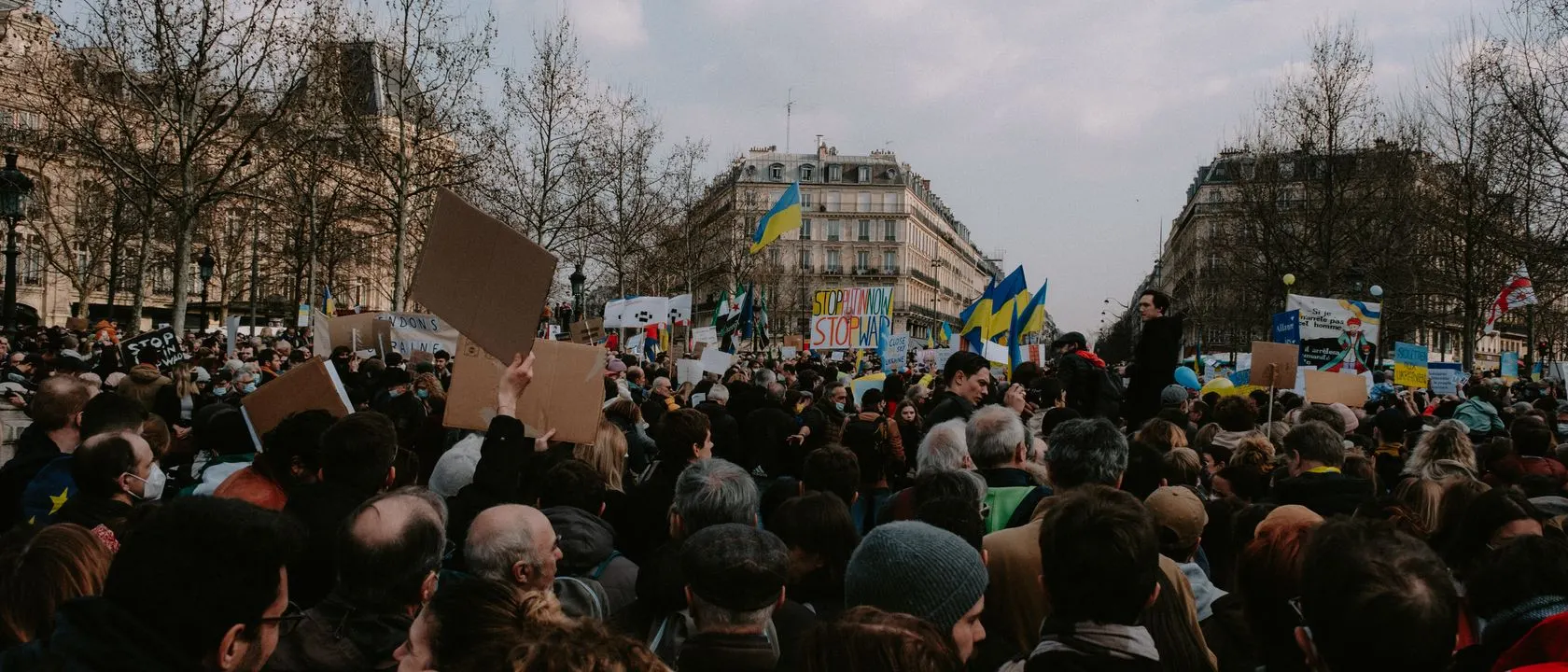
While the exact phrase "social defense" can vary, the core concept runs deep through frameworks like Total Defence, Comprehensive Defence, and Societal Resilience. Together, these form a "whole-of-society" approach to national security, built to protect nations from complex crises and modern hybrid warfare.
What It Means
At its core, whole-of-society defense moves away from relying solely on the military. It unites government institutions, armed forces, private businesses, civil society organizations, and individual citizens into a single, cohesive preparedness system. The goal? To deter adversaries by raising the cost of aggression while ensuring society can withstand, adapt to, and recover from multifaceted shocks. It marks a shift from "state-provided security" to "society-provided security," making every citizen an active producer of defense.
The Dimensions of Defense
Defending a society entails attacking vulnerabilities across interconnected dimensions:
Societal Security and Identity
Preserving the sustainability of linguistic, cultural, religious, and national identities. Defending this dimension means strengthening social cohesion and preventing hostile actors from exploiting differences to create polarization.
Psychological and Informational Defense
Protecting the population's cognitive domain from disinformation and propaganda. A robust psychological defense promotes media literacy, ensures "war awareness," and secures communication channels to maintain the "will to defend."
Civil-Military Integration
Seamlessly integrating civilian emergency management (such as local police and crisis responders) with military forces. This ensures shared intelligence and coordinated responses during crises that exceed civilian capacity alone.
Societal Resilience
The capacity of society to reorganize after a disturbance without collapsing. This operates on mental (individual coping), relational (informal support networks), and societal (institutional adaptability) levels.
Economic and Infrastructure Defense
Securing critical lifelines (like energy grids, financial systems, transportation, and cyber infrastructure) against sabotage and coercion.
An opponent's center of gravity is often the social contract itself. Protecting it requires a dynamic, highly integrated system that empowers the entire population to participate in their own security.